About
Better AI starts with better organizational understanding.
AI models are becoming more capable and more available. The harder problem inside a growing company is context, judgment and coordination. CAIS exists to work on that problem.
01 · Why CAIS exists
Growing companies know more than they can use.
Knowledge accumulates across founders, teams, documents, tools and partners, but rarely becomes one trusted version of how the organization thinks and decides. As AI enters the picture, that gap stops being an inconvenience and becomes a risk: automation amplifies whatever context it is given, including the wrong one. CAIS was built to close the gap before it is amplified.
02 · What we believe
Context before automation. Evidence before assumption.
One organization should not operate from twenty conflicting versions of itself.
Human judgment stays visible and accountable wherever judgment matters.
Services and software belong together: real work reveals what should become product.
Models and infrastructure will change. Organizational intelligence should remain portable.
Claims should match evidence, including claims about our own product.
03 · How we work
Small team, direct involvement, honest labels.
We start every relationship with an Intelligence Audit, build One Brand Brain from what it finds, and deploy that intelligence across growth, operations and AI, leadership and live experiences where it is justified. Founders and leadership work with the people who do the work. We label what is live, what is delivered as a service, and what is still in development.
04 · Leadership
The people behind CAIS.

Petros Maragkos
Co Founder & COO
Petros leads operations, product development and user adoption at CAIS. With experience across Web3, community building, educational content and growth systems, he works across product development, onboarding and execution, turning complex ideas into practical experiences that people can understand, adopt and keep using.
LinkedIn, Petros Maragkos
Effie Kavoura
Co Founder & CEO
Effie leads CAIS with a focus on growth, partnerships and market expansion. With hands-on experience across Web3, fintech, exchanges, events and ecosystem development, she combines strong commercial instinct, industry relationships and the ability to turn ideas into real opportunities, partnerships and market traction.
LinkedIn, Effie Kavoura
Elias Katsibras
CMO
Elias leads the strategic and marketing direction of CAIS, bringing more than 25 years of experience across business transformation, innovation, leadership and commercial excellence. He focuses on positioning, brand strategy and translating complex technology into clear, credible and compelling propositions for businesses and decision-makers.
LinkedIn, Elias Katsibras
05 · How CAIS is evolving
Building CAIS.
The company has changed category as it learned. We keep the history visible because it explains the judgment behind the current direction.
Origins
Events, communities and market intelligence
CAIS began in Web3 ecosystems: events, community building and research where builders, communities and capital met. That work taught us how quickly shared understanding breaks down as organizations grow.
Building tools
Brand voice, content and coordination software
We built early software for brand voice, content production and team approvals. The recurring finding was that the tools were only as good as the organizational context behind them.
Now
The intelligence and coordination layer for growing companies
CAIS focuses on organizational intelligence: the Intelligence Audit, One Brand Brain, and deployments across growth, operations and AI, leadership and live experiences, with GOUPULSE developing as the coordination layer. Web3 remains sector experience, not the category.
Beyond the screen
Intelligence is ultimately human.
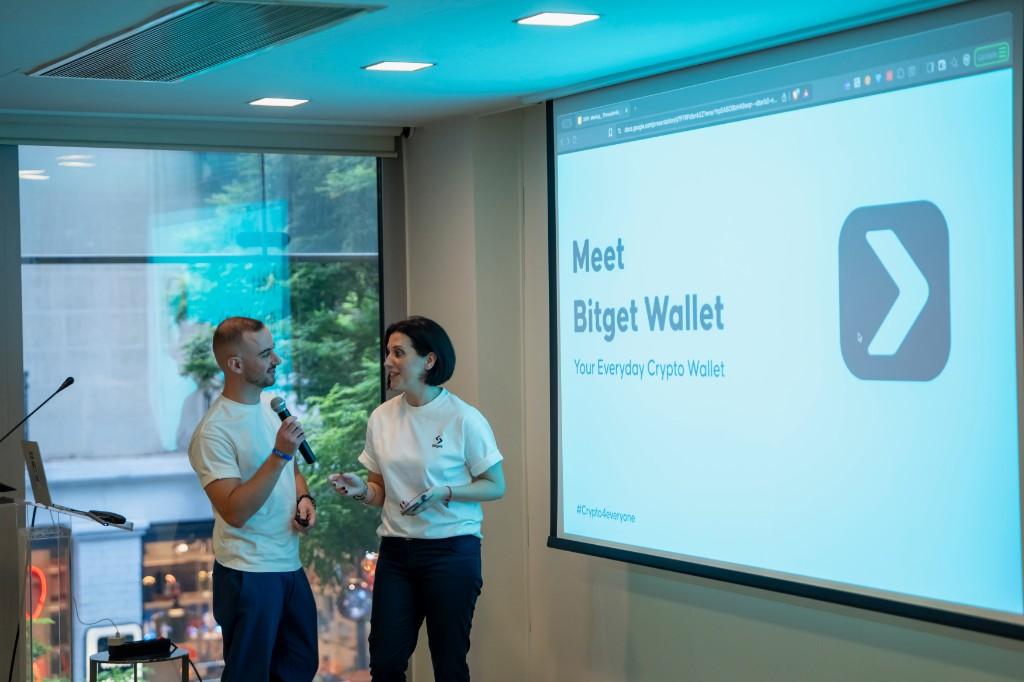
CAIS works where strategy meets people. In leadership rooms, workshops, conferences and communities, we help turn ideas into shared understanding and shared understanding into action. Live environments are also places to listen. The questions people ask, the language they use and the decisions they make often reveal intelligence that documents alone cannot capture.